Convertir píxeles en calles: el arte de Invader
Convertir píxeles en calles: el arte de Invader
¿Alguna vez has visto un pequeño extraterrestre pixelado en una pared parisina y has pensado: "Eso es inteligente"Esa es la obra de Invader, un artista nacido en París que tomó la estética de los videojuegos de 8 bits e invadió el espacio público con ella. Wikipedia+2Galería Maddox+2
De juego arcade a alias callejero
Invasor (se cree que era francés, nacido en 1969) estudió en la École des Beaux-Arts de París. Nación urbana+1 Después de la escuela, decidió que el mundo de las galerías no era para él, así que se lanzó a la calle. Usando baldosas de cerámica para imitar el aspecto pixelado de los juegos antiguos como Invasores del espacioComenzó a colocar mosaicos en París alrededor de 1998. Wikimedia Alemania+1
¿Qué hace que su trabajo funcione?
-
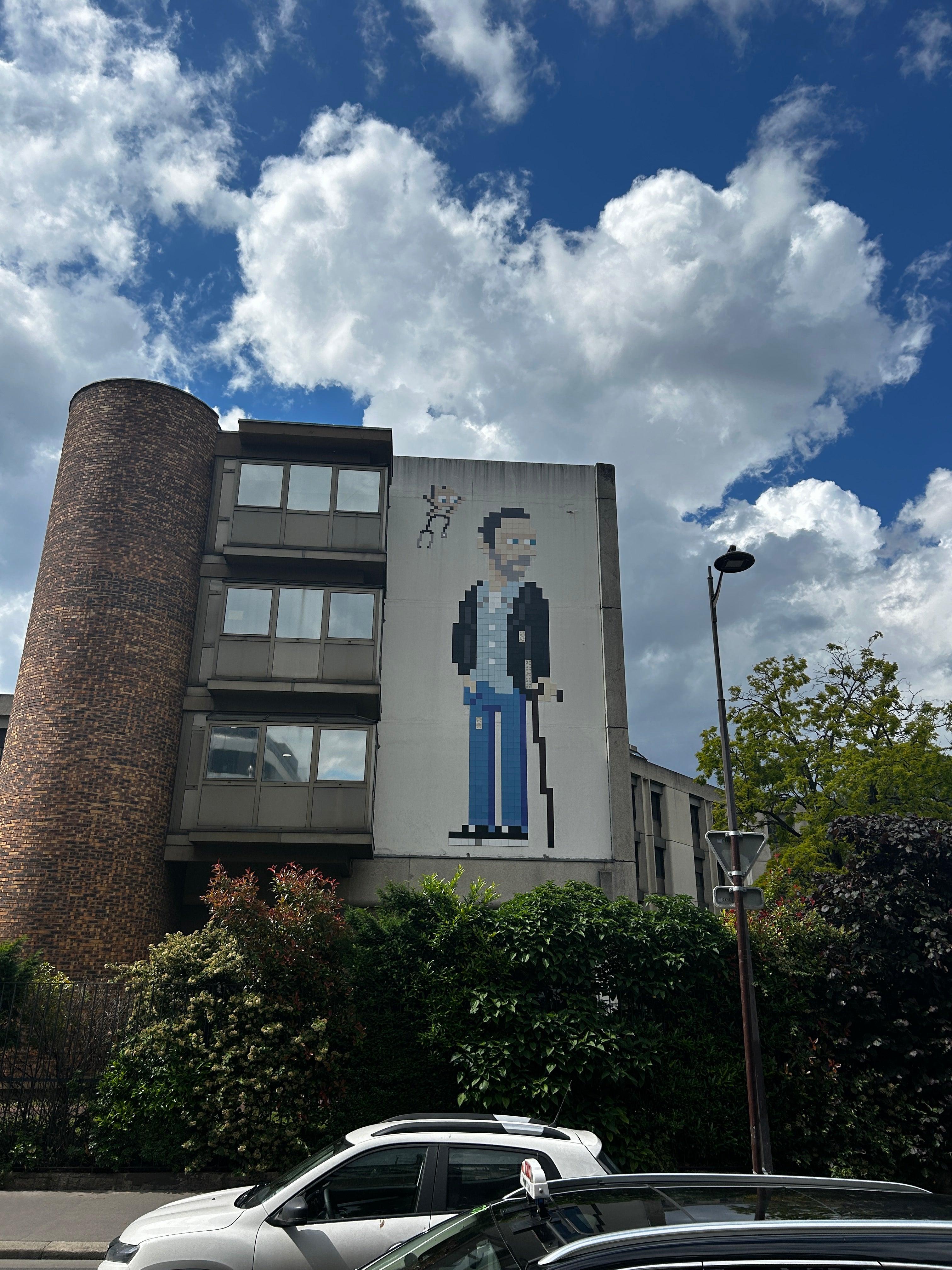
Mosaico + PíxelLa técnica es engañosamente simple: pequeños mosaicos cuadrados ensamblados en formas que recuerdan a los sprites de juegos de 8 bits. Wikipedia+1
-
Invasión públicaTrata la ciudad como un tablero de juego. Cada pieza forma parte de lo que él llama un invasión — colocados clandestinamente, a menudo de noche, en paredes, edificios e incluso en lugares altos u ocultos. Wikipedia+1
-
Alcance globalSus "extraterrestres" aparecen en docenas de ciudades. París sigue siendo el centro de atención, pero aparecen en Tokio, Nueva York, Berlín y más. Galería Maddox
Examinando la práctica
Herramientas &Instantánea del proceso
-
Azulejos y adhesivos: Utiliza azulejos de cerámica (y a veces de vidrio). Cada pieza es diseñado Por su ubicación, el tamaño, el color y el contexto importan. Wikipedia
-
Estrategia de ubicación: Muchas obras se ubican deliberadamente en lugares altos o difíciles de eliminar para evitar su remoción y mejorar el paisaje urbano. El neoyorquino
-
Documentación: Después de la instalación, registra la pieza (fecha, dirección, foto) y a menudo publica "mapas de invasión" que enumeran las ubicaciones. Invasores del espacio
Movimientos icónicos
-
Una de sus obras más grandes en París fue instalada sobre la Place d'Italie en 2024: un mosaico enorme visible desde lejos.
-
Una obra de arte a bordo de la Estación Espacial Internacional: su pieza “Space2” muestra ambición más allá de los muros de la ciudad. Invasores del espacio+1
Por qué es más que divertido
El arte de Invader hace dos grandes cosas:
-
Te hace mirar el entorno urbano de manera diferente: puedes pasar junto a un edificio que has visto cientos de veces y solo... entonces Observa el mosaico escondido.
-
Plantea preguntas sutiles: ¿Qué hace que algo pertenezca al espacio público? ¿Por qué reutilizar un icono de un videojuego? ¿Cómo se relaciona el juego con la cultura urbana?
Datos breves
-
Alias: Invasor (nombre real no confirmado públicamente)
-
Nacido: 1969, París, Francia
-
Inicio artístico: finales de los años 90, calles de París.
-
Medio: Mosaicos de baldosas cerámicas, “Rubikcubismo” (arte hecho con cubos de Rubik) Wikipedia+1
-
Notas de estilo: Pixelado, divertido, a menudo con referencias a la cultura pop y a los videojuegos.
-
Ubicaciones: Más de 4000 piezas en todo el mundo (a partir de 2020) Artístico
¿Quieres ver su trabajo?
Cuando estés en París (u otras ciudades), mantén los ojos bien abiertos: busca pequeños mosaicos de azulejos cuadrados, en callejones, en tejados o a alturas inusuales. Porque parte de la diversión es... descubrimiento a ellos.
Pensamiento final
Invader nos recuerda que el arte callejero no se trata solo de pintura en aerosol y etiquetas: puede ser lúdico, inspirado en videojuegos, global y subversivo, todo a la vez. Estos mosaicos de píxeles nos invitan a... caza, observar, juego la ciudad. Y quizá la próxima vez que pases por una pared lisa, veas algo que nunca antes habías notado.
Explora la ciudad con la aplicación Street Art Game
Convierte cualquier barrio en un patio de juegos creativoLa aplicación te guía a lugares seleccionados, comparte las historias detrás de los murales y agrega desafíos rápidos para el movimiento, el descubrimiento y la diversión. autoguiado, flexible, en cualquier momento.
Elige tu ciudad