Urban Art Photography: Find Bold Backdrops, Take Better Selfies, Make Memories
Urban Art Photography: Find Bold Backdrops, Take Better Selfies, Make Memories
City walls are the best studios you didn’t know you had. With a little time and a curious eye, urban art photography turns alleys and side streets into bold backdrops for portraits, selfies, and lock-screen gold. Think color-blocked murals, graphic stencils, layered stickers, and textured shutters—each one a ready-made set for your next shot.
Why urban art works on camera
Street pieces are designed to pop at a glance: big shapes, high contrast, strong lines. That’s perfect for portraits. A simple wall can frame your subject; a geometric mural adds energy; a soft, hand-painted gradient flatters skin tones. Because the city is always changing, you’ll find something new every time.
How to spot great backdrops
-
Look for scale and shape. Big blocks of color, diagonal lines, circles, arrows—these guide the eye and make your subject stand out.
-
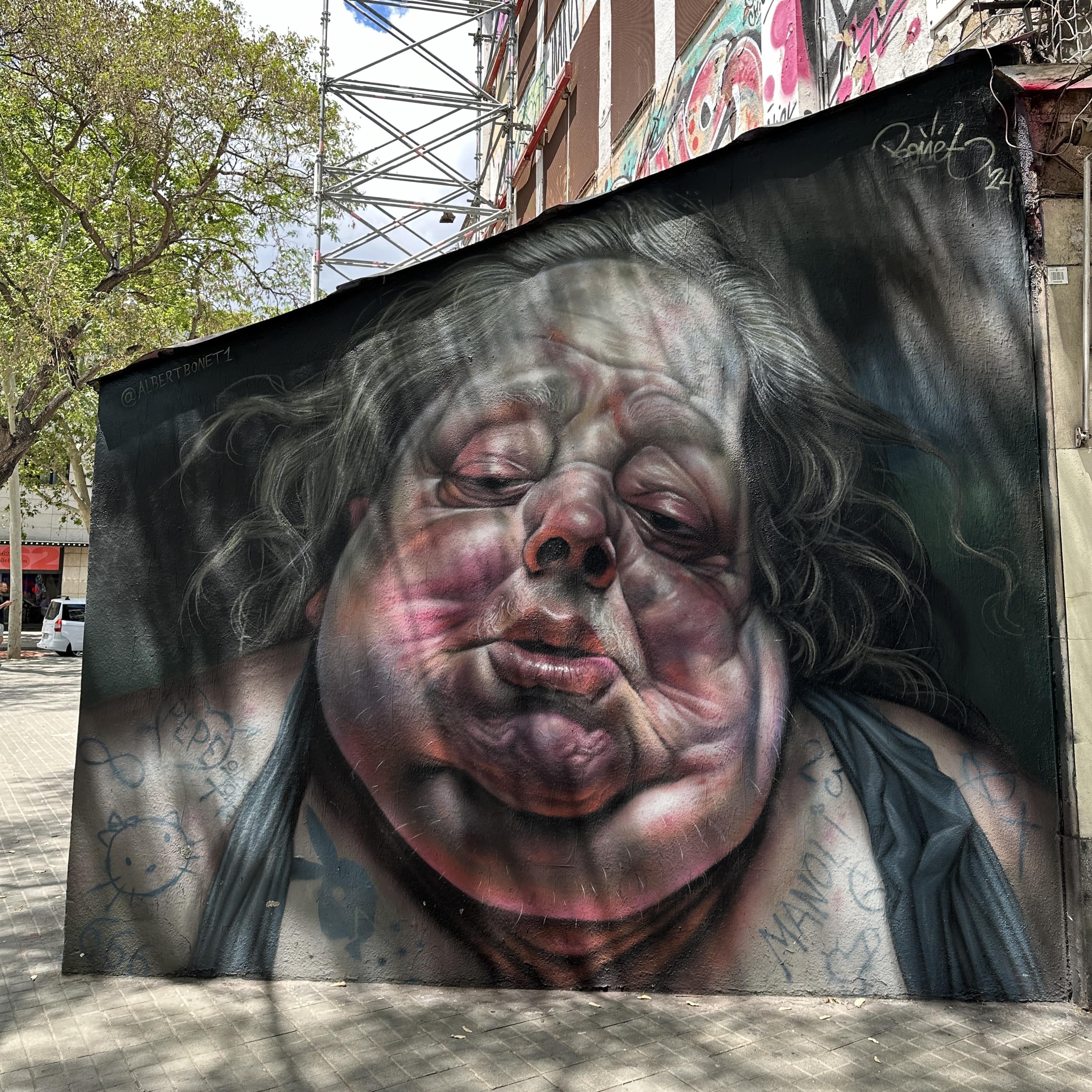
Hunt texture. Brick, chipped paint, rusted metal, layered posters—texture adds mood without stealing focus.
-
Go one turn off the main street. The best finds often sit just beyond the tourist path.
Quick shooting tips (zero fuss)
-
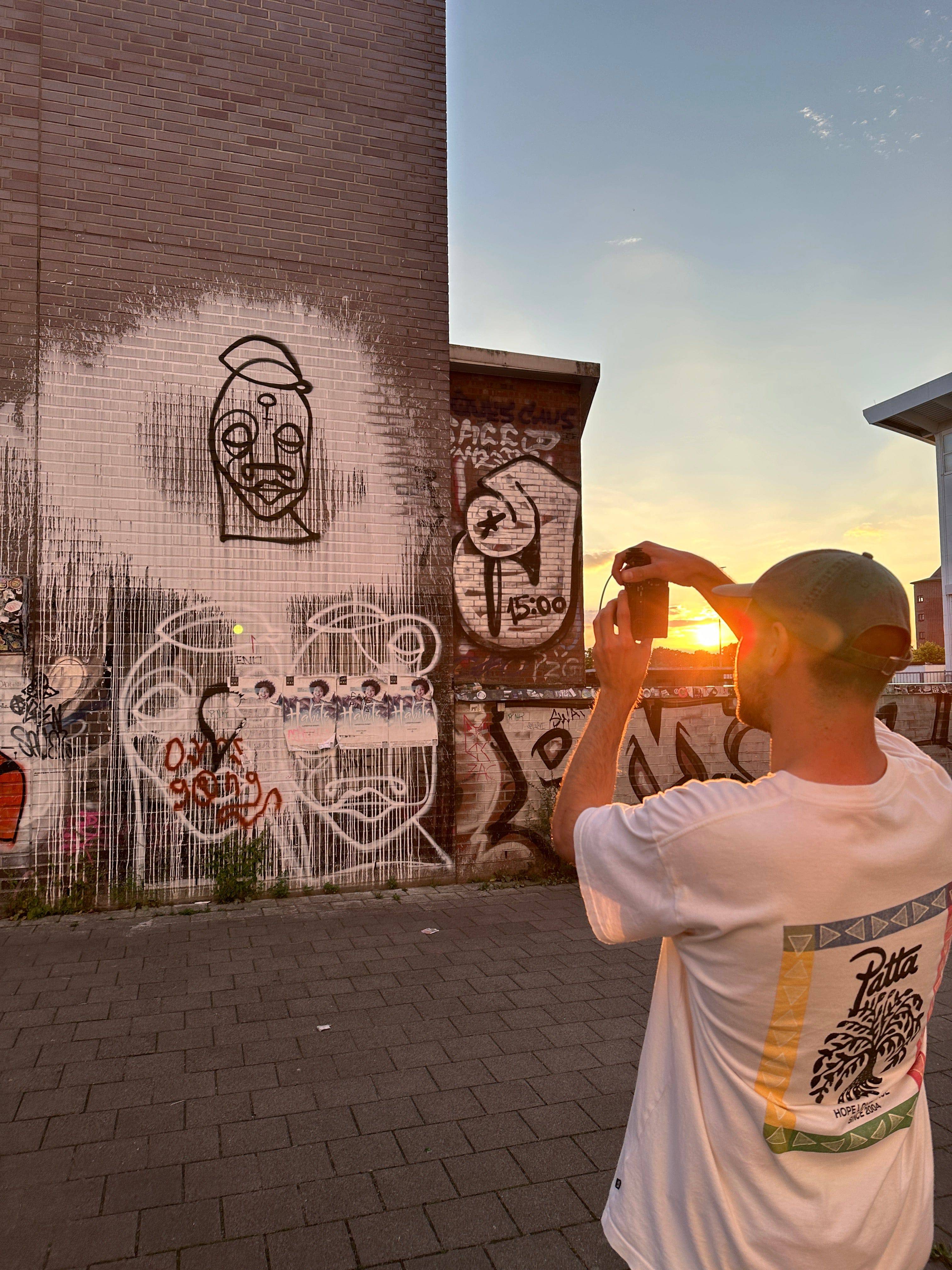
Light first. Early morning or late afternoon gives soft, directional light. In midday, use open shade (building edges, underpasses).
-
Match or contrast. Wear a color that either blends with the wall (calm) or pops against it (bold).
-
Compose with purpose. Try these three:
-
Center + symmetry (stand on a line or shape)
-
Rule of thirds (subject off-center, lines leading in)
-
Close texture (crop tight for an abstract feel)
-
-
Add motion. A step, a spin, a jacket flick—micro-movement brings murals to life.
-
Mind the background clutter. Watch for poles, signs, or bins touching heads or shoulders.
Selfie upgrades (solo or with friends)
-
Use the wall’s geometry. Frame your face inside a painted circle or between stripes.
-
Angle matters. Slightly above eye level softens features; too high flattens the scene.
-
Hands help. A coffee cup, a hat, or a phone shadow adds story.
-
Try reflections. Windows and puddles double the color for dramatic selfies.
Make it last: backgrounds you’ll reuse
Think beyond the moment: a clean color block becomes a phone wallpaper, a tight crop of stickers turns into a desktop background, and a wide mural shot works as a Zoom backdrop. Take a few versions—portrait, landscape, and a negative-space crop—so your images fit different screens later.
Build your mini route
Turn this into a light urban art photography walk: pick a neighborhood, plan 10–15 stops, and aim for a mix—one graphic mural, one textured wall, one typographic piece, one sticker cluster, one pastel gradient. Give yourself time; the difference between a quick snap and a keeper is often 60 extra seconds.
Respect the canvas (and the people)
Don’t touch or peel, avoid blocking doorways, and be mindful of residents and shops. If someone’s working on a wall, ask before shooting—and enjoy the chance to learn a trick or two.
Want a ready-made path?
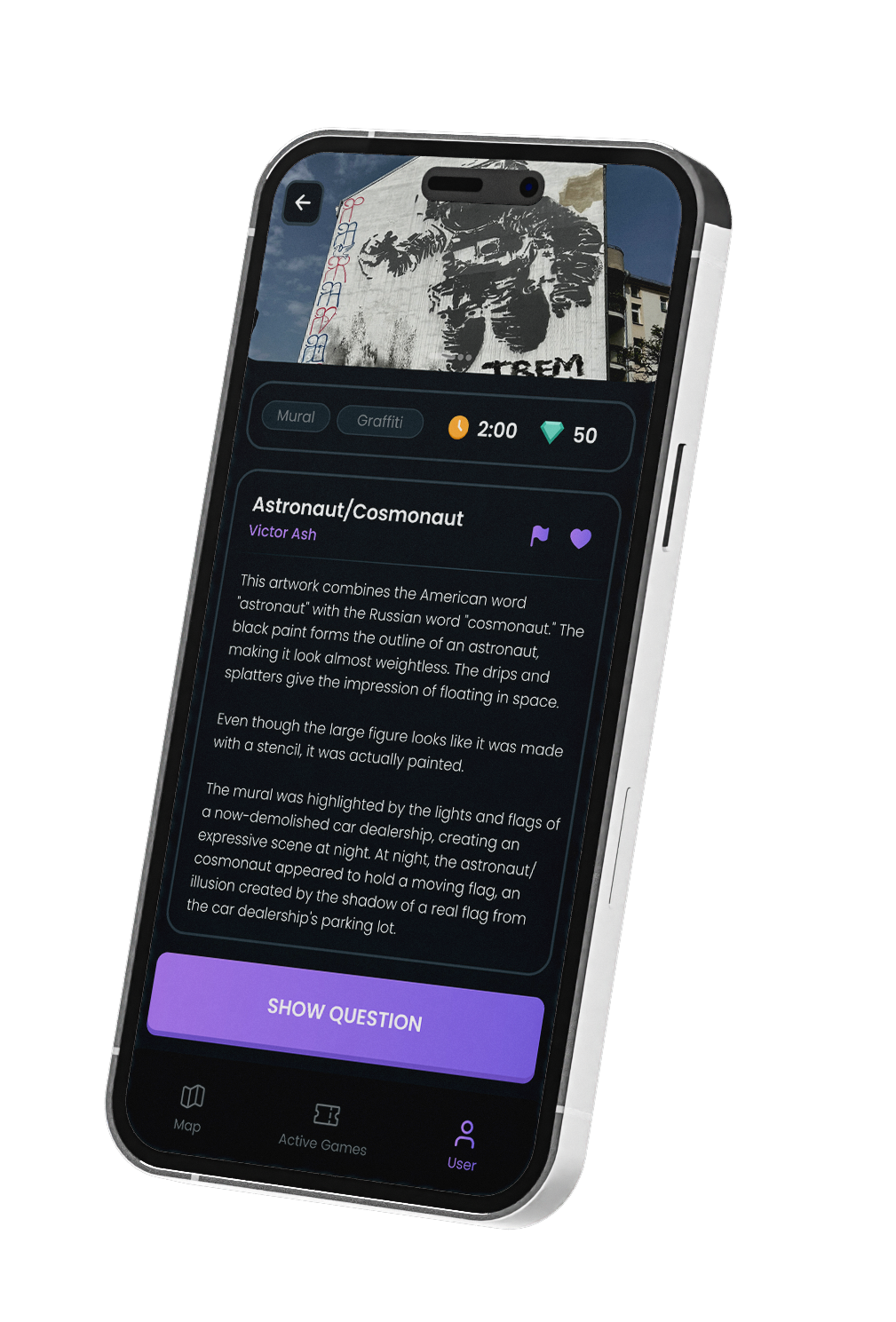
Grab a self-guided route in the app: 10–15 curated stops and 25–40 artworks, with short notes so you know what to look for and where to stand. Start anywhere, pause for coffee, and come home with a camera roll you’ll actually use.
Ready to shoot? Charge your phone, choose a color to hunt, and let the city’s walls level up your gallery. That’s urban art photography: simple, creative, and yours.
Explore the city with the Street Art Game app
Turn any neighborhood into a creative playground. The app guides you to curated spots, shares the stories behind the murals, and adds quick challenges for motion, discovery, and fun — self-guided, flexible, anytime.
Choose Your City